Source Carbon Plate Running Shoes for Outdoor, Fashion, and Trend
Compare 30 Carbon Plate Running Shoes from Fujian suppliers with customizable features like breathable mesh lining and anti-slip rubber soles. Buyers can review sizes, models, and cold bonding process details for various occasions.
Key considerations
Products List


Carbon Plate Running Shoes Ultra-Light Springback Breathable Thin Sneakers
$14.30 - $15.70
MOQ: 1000 Pairs


Men's High Rebound Elastic Carbon Plate Sports Shoes for Marathon Training
$32.98 - $45.98
MOQ: 1 Pairs


Comprehensive Sourcing Guide
Strategic Sourcing Guide for Carbon Plate Running Shoes
The global market for high-performance athletic footwear has seen a significant shift toward the integration of carbon fiber plates within running shoes. This technology, originally reserved for elite marathon racing, has permeated the broader consumer market, offering runners of various levels enhanced energy return and improved running economy. For B2B procurement professionals, sourcing Carbon Plate Running Shoes requires a nuanced understanding of material science, manufacturing processes, and supply chain dynamics. This guide provides a disciplined framework for evaluating suppliers, verifying technical specifications, and managing the complexities of this specialized product category.
Technical Specifications and Material Architecture
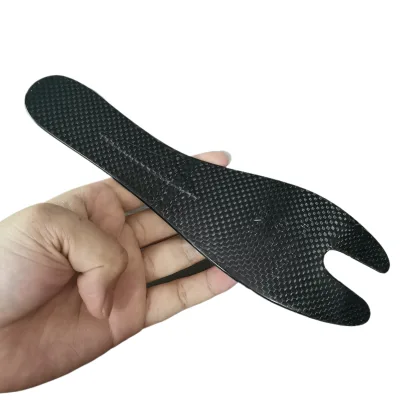
When evaluating Carbon Plate Running Shoes, the primary focus must be on the structural integrity of the midsole and the properties of the upper materials. The carbon plate itself acts as a stiffener, designed to reduce the energy lost during the foot's transition from heel strike to toe-off. Buyers must verify that the plate is embedded within a high-rebound foam system, often composed of Ethylene-Vinyl Acetate (EVA) or thermoplastic polyurethane (TPU) variants, to ensure optimal energy return.
The upper construction is equally critical for breathability and fit. In the context of running shoes, the vamp often features ventilated mesh panels to manage heat and moisture. The lining material should be selected for comfort and breathability, frequently utilizing mesh or PU (Polyurethane) blends. The insole material plays a dual role in cushioning and arch support; common materials observed in this sector include EVA, TPR (Thermoplastic Rubber), and PVC, each offering different density and durability profiles. The outsole is typically made of rubber, chosen specifically for its anti-slip properties and durability against abrasive surfaces.
It is essential to distinguish between "carbon plate" and "full carbon" constructions. Some suppliers may offer nylon or fiberglass plates marketed as carbon alternatives. Procurement teams must request detailed material data sheets to confirm the presence of actual carbon fiber. Furthermore, the sole technology, such as cold bonding processes, ensures the durability of the bond between the upper, midsole, and outsole. Buyers should also note that while some models are designed for specific genders, many modern running shoes are engineered with a unisex fit to maximize market reach.
Compliance, Certification, and Safety Standards
In the B2B footwear sector, compliance is not merely a regulatory hurdle but a marker of quality and market access. While specific certification names were not provided in the source data, buyers must verify that suppliers adhere to international safety and quality standards relevant to the destination market. This includes checking for compliance with chemical restrictions regarding hazardous substances in the materials used, such as the insole and upper fabrics.
Quality assurance protocols are vital. A robust supplier will implement a "Full Inspection" process, ensuring that every unit meets the defined specifications before packaging. This step is crucial for maintaining brand reputation and minimizing returns. Buyers should also inquire about the packaging standards, as the product standard often dictates the dimensions of the shipping box. For instance, specific models may require packaging dimensions of 32.00cm * 22.00cm * 12.00cm, while others might require 39.00cm * 31.00cm * 14.00cm. These variations directly impact logistics costs and storage efficiency.
Additionally, the origin of the product is a key factor in compliance. Many high-volume footwear manufacturers are located in regions like Fujian, China, known for their extensive supply chains. Buyers must ensure that the "Place of Origin" aligns with their trade agreements and tariff requirements. The delivery method, whether by ship, air, train, or express, also influences the timeline and cost structure, requiring careful alignment with the buyer's inventory planning.
Cost Drivers and Pricing Dynamics
The pricing of Carbon Plate Running Shoes is influenced by several distinct factors. The cost of raw materials, particularly carbon fiber and high-performance foams, constitutes a significant portion of the final price. The complexity of the manufacturing process, such as the cold bonding technique, also adds to the production cost. Unlike standard running shoes, the integration of a rigid plate requires precise molding and assembly, which can limit the scalability of production for smaller suppliers.
Observed price ranges in the market can vary widely, from entry-level models to premium racing shoes. Buyers should expect a price spectrum that reflects the quality of the carbon plate and the sophistication of the foam technology. The Minimum Order Quantity (MOQ) is another critical cost driver. While some suppliers may accept orders as low as one unit for sampling, bulk orders often range up to 1000 units. Higher MOQs typically result in better unit economics, but they also increase the financial risk for the buyer if the product does not sell as expected.
Customization is a significant value-add that impacts cost. Options such as customizable colors, logos, and specific sizing configurations allow brands to differentiate their products. However, these customizations often require additional setup costs and may increase the MOQ. Buyers must balance the desire for unique branding with the economic benefits of standard production runs. The "Handiness" or weight of the shoe is also a factor; lighter shoes often command a premium price due to the advanced materials and engineering required to reduce weight without sacrificing durability.
Typical Applications and Market Segmentation
Carbon Plate Running Shoes are primarily designed for high-intensity running activities, including marathon racing, tempo runs, and long-distance training. The "Running Shoes" classification indicates their primary function is to enhance performance. However, the market is expanding into other categories. The "Outdoor" occasion suggests versatility for trail running or general outdoor activities, provided the outsole offers sufficient grip.
The target demographic is broad, ranging from professional athletes to recreational runners. The availability of unisex models and a wide range of sizes (from US 4.5 to 13) allows suppliers to cater to diverse customer bases. The "Fashion" and "Trend" attributes indicate that these shoes are also marketed as lifestyle footwear, appealing to consumers who value the aesthetic of high-performance gear in their daily wear.
The "Summer" season designation highlights the importance of breathability. Shoes designed for summer use often feature more extensive mesh uppers and lighter materials to prevent overheating. Conversely, buyers should be aware that some models may not be waterproof, as indicated by specific product attributes. This limitation is often a trade-off for weight reduction and breathability. Understanding these application nuances helps buyers match the right product to the right market segment, ensuring that the technical features align with the intended use case.
Supplier Evaluation and Quality Control
Selecting the right supplier is the most critical step in the procurement process. Buyers should prioritize suppliers who demonstrate transparency in their manufacturing processes and quality control measures. The "Full Inspection" attribute is a strong indicator of a supplier's commitment to quality. Buyers should request evidence of this process, such as photos or videos of the inspection line, to verify that every shoe is checked for defects in the upper, sole, and plate integration.
The "Quality" attribute should be evaluated alongside the "Features" listed, such as "Breathable," "Anti-Slip," and "Resilient." These claims must be substantiated by the supplier's technical documentation. For instance, the "Anti-Slip" property of the sole should be verified through standard friction tests. The "Resilient" nature of the foam should be confirmed through compression testing data.
Suppliers located in established manufacturing hubs like Fujianquanzhou often have mature supply chains and experienced workforces. However, buyers must verify the specific capabilities of the factory. The "Sole Technology" used, such as the cold bonding process, requires specialized equipment and skilled labor. A supplier's ability to consistently apply this technology across large batches is a key differentiator. Additionally, the "Closing Mode" and "Close Pattern" (e.g., Swivel Button or Lace-up) should be evaluated for durability and user experience.
Long-Term Procurement Considerations
Sourcing Carbon Plate Running Shoes is not a one-time transaction but a long-term strategic partnership. Buyers must consider the scalability of the supplier's production capacity. As demand grows, the supplier must be able to maintain quality and meet lead times. The "Delivery Way" options, including ship, air, train, and express, offer flexibility, but the reliability of these channels must be assessed.
Inventory management is another critical consideration. The wide range of sizes available (US 4.5 to 13) requires careful forecasting to avoid stockouts of popular sizes and overstock of less common ones. The "Box" packing standard must be optimized to maximize container utilization while protecting the product during transit.
Finally, buyers should plan for product iteration. The "Fashion" and "Trend" attributes suggest that styles change rapidly. Suppliers who can offer rapid prototyping and customization, such as adjustable logos and colors, will be better positioned to help buyers stay ahead of market trends. The "Customization" availability is a key enabler for brand differentiation, allowing buyers to create unique products that resonate with their specific customer base. By focusing on these long-term factors, buyers can build a resilient supply chain that supports sustained growth in the competitive running shoe market.
FAQs
Can Carbon Plate Running Shoes be customized with logos and colors?
Yes, customization is available for logos and colors on these running shoes. Buyers can request specific color variations and logo placements to match their brand identity, though this may affect minimum order quantities and lead times.
What materials are used for the insole and lining of these shoes?
The insole material varies and includes EVA, PU, TPR, or PVC options depending on the specific model. The lining material is typically mesh to ensure comfort and breathability for the wearer during extended use.
Which shoe sizes are available for the Carbon Plate Running Shoes?
Available US shoe sizes range from 4.5 to 13, covering a wide demographic. Specific models list sizes such as 6, 7, 8, 9, 10, 11, and their half-size equivalents to accommodate different foot measurements.
How are the soles attached using the cold bonding process?
The sole technology utilizes a cold bonding process to secure the outsole to the upper. This method ensures durability and flexibility, connecting the rubber outsole to the EVA or TPU midsole without heat application.
What is the packaging standard for shipping these running shoes?
Products are packed in boxes with standard dimensions varying by model, such as 32.00cm by 22.00cm by 12.00cm. Larger packaging options like 39.00cm by 31.00cm by 14.00cm are also available for specific inventory needs.
Can buyers source these shoes from manufacturers in Fujian, China?
Yes, the place of origin is listed as Fujianquanzhou or Fujian, China, for these footwear products. Buyers can locate suppliers in this region known for extensive footwear supply chains and manufacturing capabilities.